Orthodox Christmas Day : Celebrating the Birth of Christ in Faith, Tradition, and Humility (January 7)

Orthodox Christmas Day
Celebrating the Birth of Christ in Faith, Tradition, and Humility
Introduction
Orthodox Christmas Day is observed every year on 7th January by Eastern Orthodox Christian communities around the world. While many Christians celebrate Christmas on 25 December, Orthodox churches follow the Julian calendar, which places the Nativity celebration on January 7 according to the Gregorian calendar.
The day commemorates the birth of Jesus Christ, emphasizing humility, faith, prayer, and spiritual reflection.
Why Orthodox Christmas Is Celebrated on January 7
The difference in dates arises because:
Western Christianity follows the Gregorian calendar
Eastern Orthodox churches continue to follow the Julian calendar for liturgical purposes
This calendar difference results in a 13-day shift, placing Christmas on January 7 for Orthodox Christians.
Spiritual Meaning of Orthodox Christmas
Orthodox Christmas focuses deeply on:
The mystery of the Incarnation
God entering human history in humility
Light overcoming darkness
Hope for salvation and peace
It is less commercial and more contemplative, encouraging believers to focus on prayer, fasting, and spiritual preparation.
Traditions and Observances
Orthodox Christmas is marked by rich traditions, including:
Midnight or early morning church services
Fasting followed by festive meals
Lighting candles and offering prayers
Singing traditional hymns and carols
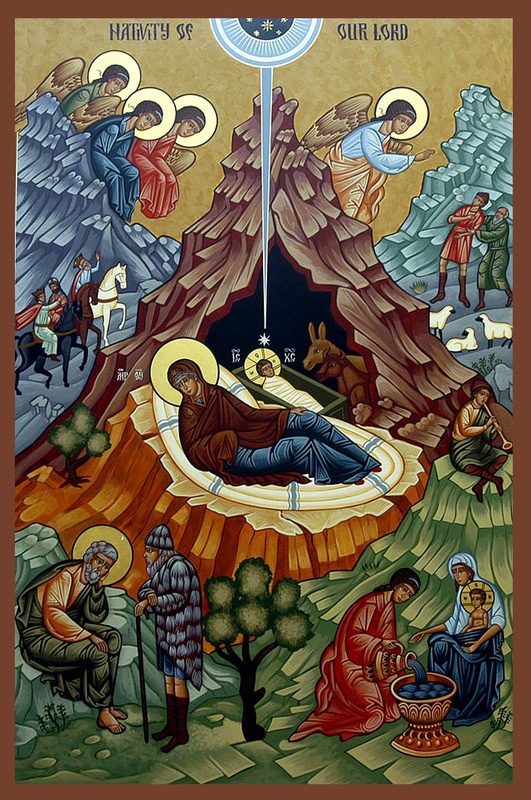
Displaying icons and Nativity scenes
Families often gather in a spirit of reverence and gratitude.
Global Celebration
Orthodox Christmas Day is widely observed in:
Russia
Greece
Serbia
Ukraine
Georgia
Egypt (Coptic Orthodox)
Parts of Eastern Europe, Africa, and the Middle East
Despite cultural variations, the core message remains the same: Christ is born—glorify Him.
Message of Peace and Hope
Orthodox Christmas reminds the world that:
True greatness is found in humility
Peace begins in the heart
Faith offers hope amid uncertainty
Light shines even in the darkest times
The Nativity story continues to inspire compassion, generosity, and reconciliation.
Educational and Cultural Importance
For students and educators, Orthodox Christmas provides insight into:
Christian diversity and traditions
Calendar systems and history
Cultural expressions of faith
Shared values of peace and humanity
Understanding such observances fosters respect and global awareness.
Conclusion
Orthodox Christmas Day is a sacred reminder of divine love revealed through simplicity and humility. In celebrating the birth of Christ, believers are invited to renew faith, embrace compassion, and share peace with the world.
Christ is born.
Let us glorify Him.
Support This Work
This blog is created to share free, educational, and awareness-based content that promotes faith, understanding, and cultural respect.
If you found this article helpful and wish to support the continuation of this service, you may contribute a small voluntary amount using the link below.
👉 Support via PayPal:
https://www.paypal.com/ncp/payment/G5LPGXG437DUL
Your support helps sustain research, writing, and content hosting.
Explore More
🔗 Read more articles on faith, culture, and global observances:
👉 https://craarts.blogspot.com
🎨 Explore cultural and religious visuals:
👉 https://www.shutterstock.com/g/craarts
Comments
Post a Comment