THE CRA PERSPECTIVE Ancient Engineering Wonders That Still Challenge Our Imagination From underground cities and precision-cut stone to monumental temples and sophisticated water systems, the ancient world was far more technologically capable than we sometimes imagine. Some of humanity's greatest engineering achievements were built long before modern machines, computers and industrial technology. Across continents, ancient civilizations transformed stone, mountains, water and landscapes into extraordinary structures. Their achievements reveal not only physical strength, but also planning, mathematics, craftsmanship, environmental awareness and generations of accumulated knowledge. These monuments invite us to ask an intriguing question: How did ancient societies accomplish eng...

Venezuela
A Nation of Natural Wealth, Cultural Depth, and Ongoing Challenges
Introduction
Venezuela, officially known as the Bolivarian Republic of Venezuela, is a country located on the northern coast of South America. Rich in natural resources, biodiversity, and cultural heritage, Venezuela has played a significant role in regional history and global energy markets. At the same time, it has faced complex economic, social, and political challenges in recent decades.
Understanding Venezuela requires looking at both its strengths and struggles.
🇻🇪 Venezuela – Country Fact Sheet
Basic Information
-
Official Name: Bolivarian Republic of Venezuela
-
Country: Venezuela
-
Continent: South America
-
Capital City: Caracas
-
Largest City: Caracas
Geography and Natural Beauty
Venezuela is one of the most geographically diverse countries in the world. It features:
The Andes Mountains in the west
Vast plains (Los Llanos) used for agriculture
Dense Amazon rainforests
Caribbean coastlines and islands
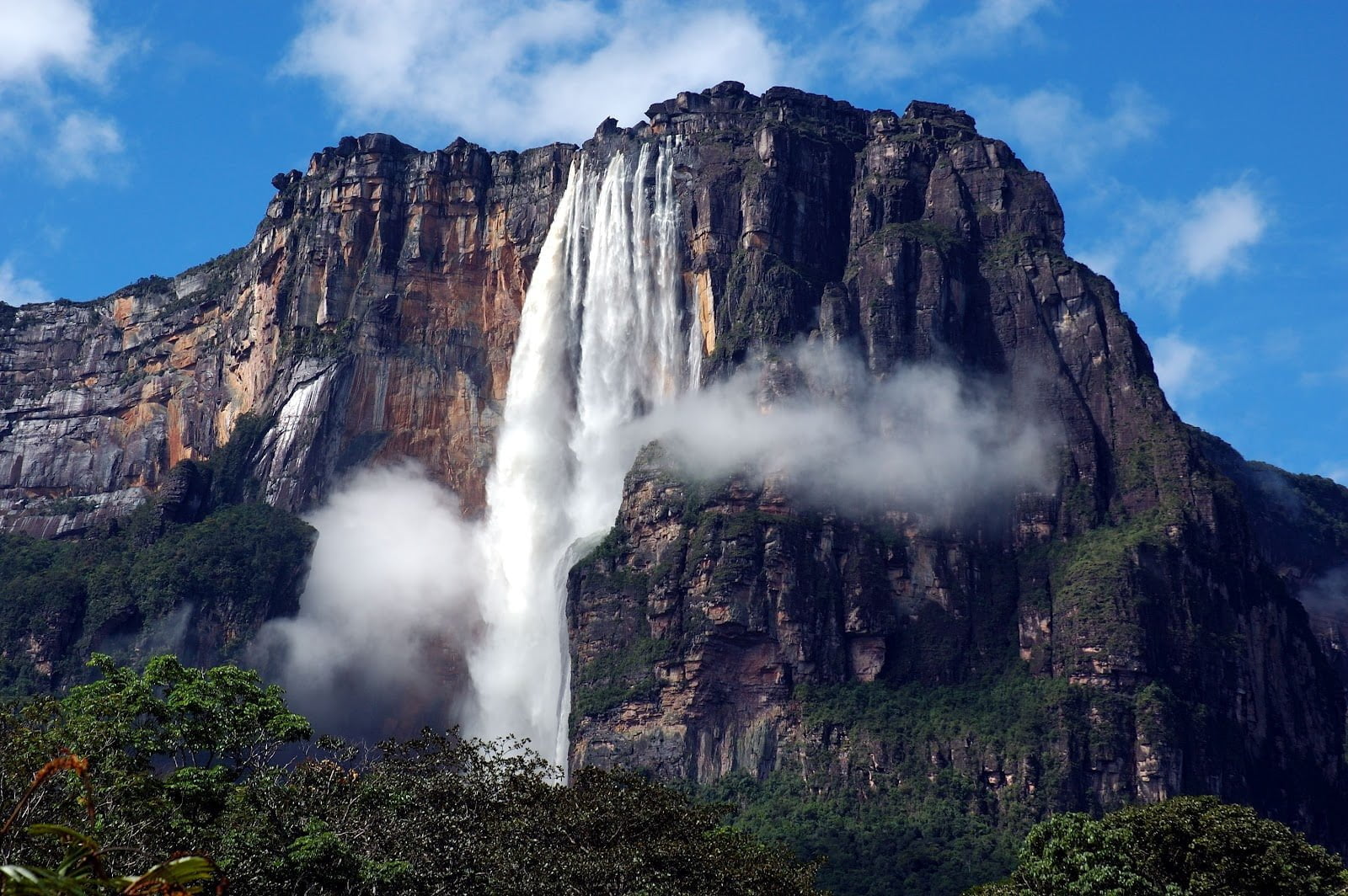
It is also home to Angel Falls, the world’s highest uninterrupted waterfall, a symbol of the country’s natural grandeur.
Natural Resources and Economy
Venezuela possesses some of the largest proven oil reserves in the world, making petroleum historically central to its economy. In addition to oil, the country has:
Natural gas
Gold and minerals
Agricultural potential

However, heavy dependence on oil, combined with economic mismanagement and external pressures, has contributed to inflation, shortages, and reduced industrial productivity.
Culture and Society
Venezuelan culture is a vibrant blend of:
Indigenous traditions
Spanish colonial influence
African heritage
Key cultural elements include:
Traditional music and dance (such as joropo)
Festivals and religious celebrations
Strong family and community values
A passion for sports, especially baseball
Despite hardships, cultural identity remains a strong source of resilience.
Education and Literacy
Venezuela historically invested heavily in education and achieved high literacy rates. While access to education still exists, recent economic difficulties have affected:
School infrastructure
Teacher retention
Availability of resources
Education remains a key hope for long-term national recovery.
Humanitarian and Social Challenges
In recent years, Venezuela has experienced:
High inflation and currency instability
Migration of millions of citizens to neighboring countries
Healthcare and food supply challenges
International organizations continue to provide humanitarian assistance, while Venezuelans themselves show remarkable adaptability and perseverance.
Venezuela in the Global Context
Venezuela plays an important role in:
South American geopolitics
Global energy discussions
Migration dynamics in Latin America
Its future stability matters not only to its people, but to the wider region.
The Spirit of the Venezuelan People
Beyond statistics and headlines, Venezuela is defined by its people—known for:
Warmth and hospitality
Creativity and humor
Strong social bonds
Hope despite adversity
Communities, both inside the country and across the global Venezuelan diaspora, continue to support one another.
Looking Toward the Future
Venezuela’s long-term progress depends on:
Economic diversification
Institutional stability
Inclusive governance
Education and healthcare reform
International cooperation
Recovery is complex, but not impossible.
Conclusion
Venezuela is a country of contrasts—abundant natural wealth alongside deep challenges, cultural richness amid economic difficulty. To understand Venezuela is to look beyond simplified narratives and recognize both its historical significance and human resilience.
A nation’s story is never finished—it continues to be written by its people.
Support This Work
This blog is created to share free, educational, and awareness-based content that promotes global understanding and informed perspectives.
If you found this article helpful and wish to support the continuation of this service, you may contribute a small voluntary amount using the link below.
👉 Support via PayPal:
https://www.paypal.com/ncp/payment/G5LPGXG437DUL
Your support helps sustain research, writing, and content hosting.
Explore More
🔗 Read more country profiles and global awareness articles:
👉 https://craarts.blogspot.com
🎨 Explore educational and global visuals:
👉 https://www.shutterstock.com/g/craarts
Comments
Post a Comment