
Old Rock Day
Exploring Earth’s Ancient Stories Written in Stone

Introduction
Old Rock Day, observed every year on 7th January, celebrates rocks, fossils, and the ancient geological history of our planet. Though it may sound light-hearted, the day carries deep scientific significance—rocks are the oldest storytellers on Earth, preserving evidence of planetary formation, climate change, and the evolution of life.
Old Rock Day invites us to slow down and appreciate the quiet witnesses of deep time beneath our feet.
Why Rocks Matter
Rocks are fundamental to understanding Earth’s history. They help scientists:
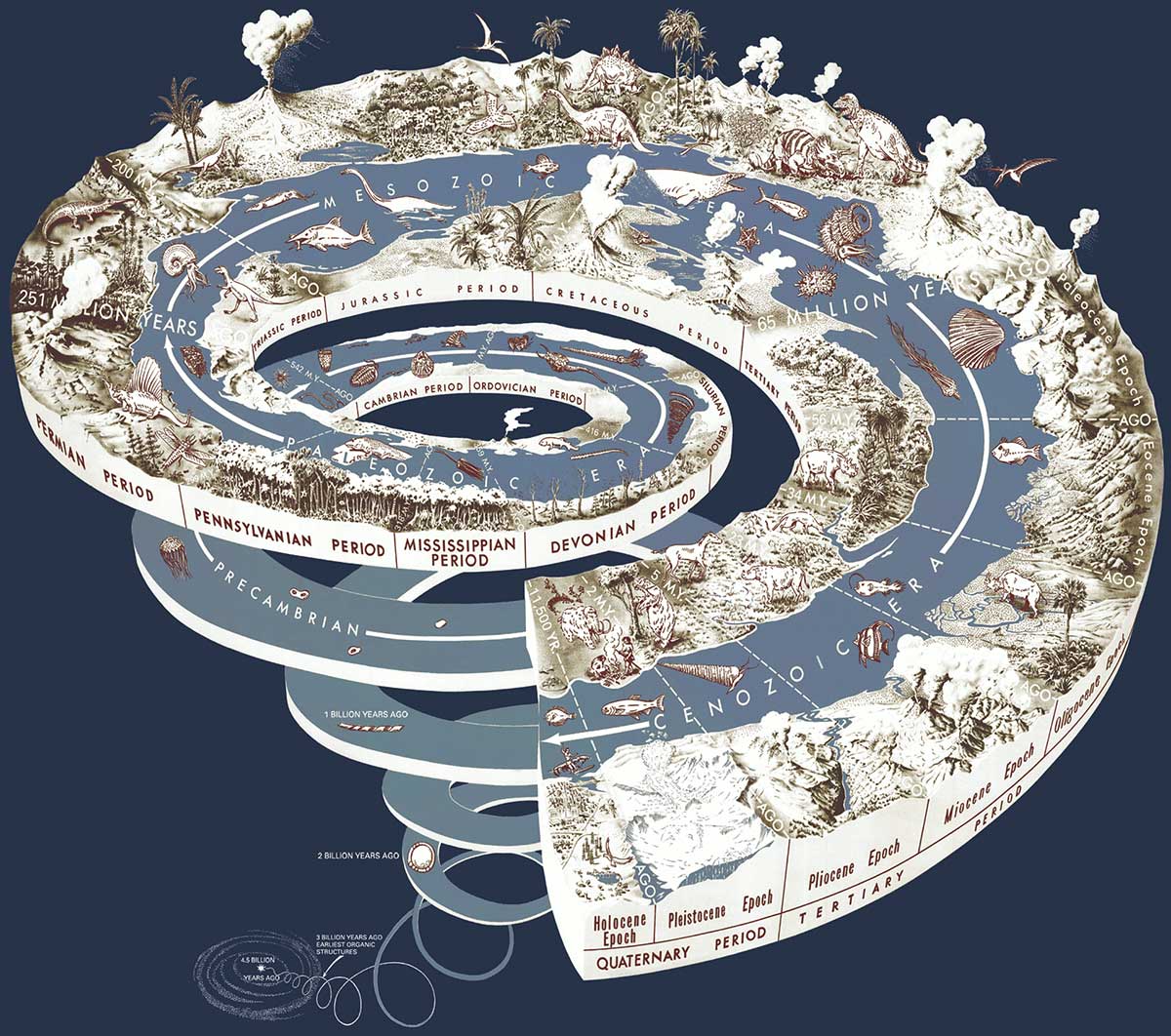
Determine the age of the planet
Study past climates and environments
Understand tectonic movements
Discover fossils and early life forms
Identify natural resources
Every rock carries a record of processes that occurred millions—or even billions—of years ago.
Types of Rocks and Their Stories
There are three main types of rocks:
Igneous rocks – Formed from cooled magma or lava, revealing volcanic activity
Sedimentary rocks – Formed from layers of sediment, often containing fossils
Metamorphic rocks – Altered by heat and pressure, showing Earth’s internal forces
Together, they explain how Earth continuously reshapes itself.
Fossils: Life Preserved in Stone
Fossils found in rocks provide:
Evidence of extinct species
Insights into evolution
Clues about ancient ecosystems
Without rocks, much of Earth’s biological history would be lost.
Rocks and Human Civilization
Rocks have shaped human progress through:
Construction and architecture
Tools and early technology
Art, monuments, and sculptures
Minerals essential for modern industry
From Stone Age tools to modern technology, rocks remain central to civilization.
Educational Importance of Old Rock Day
For students and educators, Old Rock Day offers an opportunity to:
Spark interest in geology and earth sciences
Understand environmental and climate history
Promote outdoor learning and observation
Encourage respect for natural heritage
Learning about rocks builds patience, curiosity, and scientific thinking.
How to Observe Old Rock Day
Visit a natural rock formation or museum
Learn about local geology
Examine rocks or fossils carefully
Encourage students to collect and study stones responsibly
Reflect on Earth’s long and resilient history
Sometimes, the oldest things have the most to teach us.
A Reflection on Deep Time
Human history spans thousands of years. Earth’s history spans billions. Old Rock Day humbles us, reminding us that the planet existed long before us—and must be protected for those who come after.
Conclusion
Old Rock Day celebrates the silent strength of Earth’s foundations. Rocks may not speak, but they hold the memory of volcanoes, oceans, continents, and life itself. By honoring them, we honor the planet’s past—and our responsibility toward its future.
The ground beneath us is history.
Support This Work
This blog is created to share free, educational, and awareness-based content that promotes learning, environmental understanding, and scientific curiosity.
If you found this article helpful and wish to support the continuation of this service, you may contribute a small voluntary amount using the link below.
👉 Support via PayPal:
https://www.paypal.com/ncp/payment/G5LPGXG437DUL
Your support helps sustain research, writing, and content hosting.
Explore More
🔗 Read more science and awareness articles:
👉 https://craarts.blogspot.com
🎨 Explore educational and nature visuals:
👉 https://www.shutterstock.com/g/craarts
Comments
Post a Comment