
National Bird Day : Protecting Birds, Preserving Nature, and Respecting Life(January 5)


National Bird Day

Protecting Birds, Preserving Nature, and Respecting Life
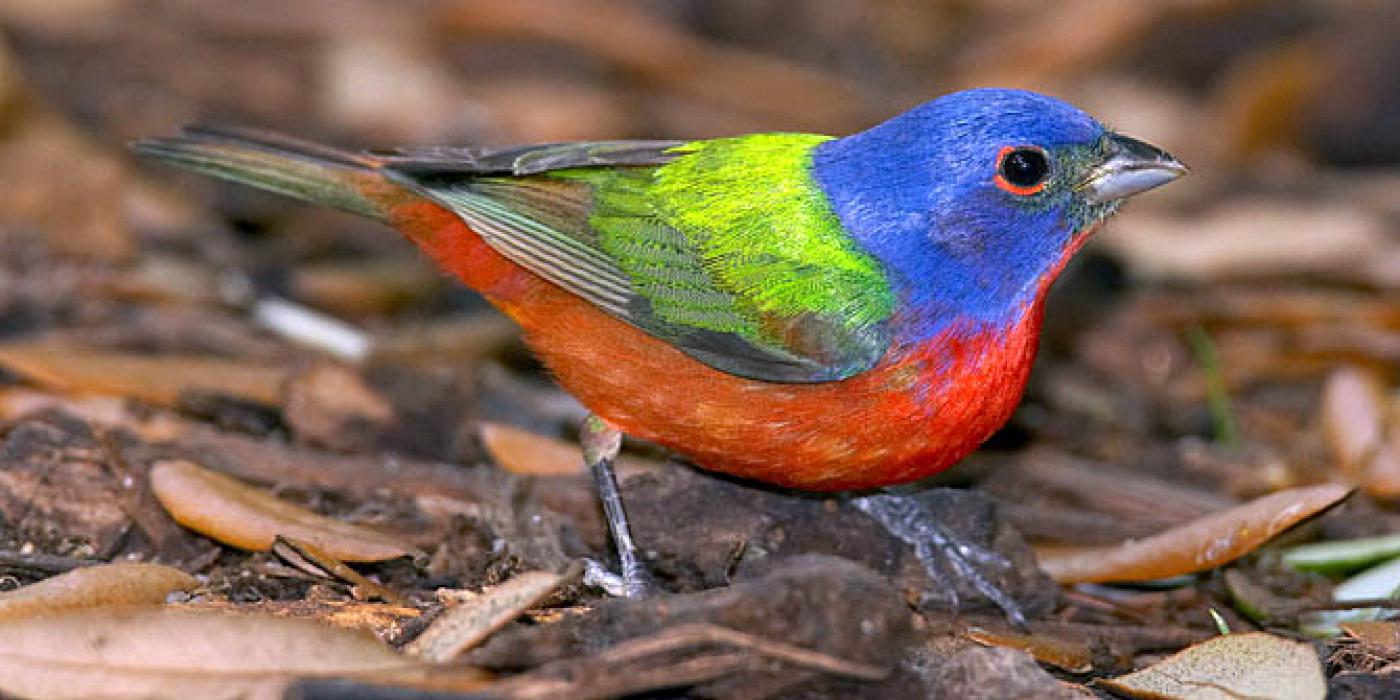
Image

Introduction

National Bird Day, observed every year on 5th January, is dedicated to raising awareness about bird conservation, protection of natural habitats, and the ethical treatment of birds. Birds are essential indicators of environmental health, and their decline signals imbalance in ecosystems that directly affect human life.

This day reminds us that protecting birds is not optional—it is a responsibility.


Importance of Birds in the Ecosystem

Birds play a crucial role in maintaining ecological balance:

  • Pollination of plants

  • Seed dispersal

  • Pest control

  • Maintaining food chains

  • Supporting biodiversity

Healthy bird populations indicate a healthy environment.


Threats Faced by Birds Today

Despite their importance, birds face growing threats:

  • Habitat destruction

  • Climate change

  • Pollution and pesticides

  • Illegal wildlife trade

  • Urbanization and deforestation

National Bird Day highlights the urgent need to address these challenges.


Bird Conservation and Human Responsibility

Bird conservation is closely linked to human behavior. Simple actions such as:

  • Protecting trees and green spaces

  • Avoiding plastic pollution

  • Supporting wildlife conservation laws

  • Respecting nesting and migratory patterns

can significantly impact bird survival.


Educational Value of National Bird Day

For students and educators, National Bird Day offers opportunities to:

  • Learn about biodiversity

  • Understand environmental ethics

  • Promote conservation awareness

  • Encourage respect for wildlife

Environmental education builds responsibility toward future generations.


Birds and Climate Balance

Bird migration patterns, breeding cycles, and population changes provide critical data on climate health. Protecting birds also means protecting forests, wetlands, rivers, and oceans.

Nature functions as an interconnected system.


How to Observe National Bird Day

  • Learn about local and migratory birds

  • Support bird conservation initiatives

  • Create bird-friendly spaces

  • Avoid activities that harm wildlife

  • Share awareness about environmental protection

Small efforts, when multiplied, create lasting impact.


Conclusion

National Bird Day reminds us that birds are not ornaments or commodities—they are living beings essential to the planet’s survival. Respecting birds means respecting nature, and protecting nature ensures a sustainable future for all.

When birds thrive, the planet breathes.


Support This Work

This blog is created to share free, educational, and awareness-based content that promotes environmental responsibility and respect for life.
If you found this article helpful and wish to support the continuation of this service, you may contribute a small voluntary amount using the link below.

👉 Support via PayPal:
https://www.paypal.com/ncp/payment/G5LPGXG437DUL

Your support helps sustain research, writing, and content hosting.


Explore More

🔗 Read more environmental and awareness articles:
👉 https://craarts.blogspot.com

🎨 Explore nature and wildlife visuals:
👉 https://www.shutterstock.com/g/craarts


Comments

Most visited

From Confusion to Clarity: How One Study Method Changed Everything

  Rohan was an average student—hardworking, but not systematic. His days were filled with long study hours, underlined textbooks, and endless rereading. Yet, when exams came, his mind went blank. Concepts slipped away, and confidence followed. Preparing for NEET , the pressure was immense. Everyone around him seemed to know what to study and how to study—except him. One day, his teacher gave him a simple suggestion: “Don’t study more. Study smarter . Follow the PQRST method.” Skeptical but desperate, Rohan decided to trust the process. Weeks turned into months. His reading became purposeful, his revision sharper, and his confidence stronger. When results were declared, Rohan didn’t just clear NEET—he cracked it with clarity, not chaos. The difference wasn’t intelligence. It was method . The PQRST Study Method: A Smart Way to Learn The PQRST method is a scientifically proven study strategy that promotes active learning , deep understanding, and long-term memory rete...

Oyilattam: The Graceful Tamil Folk Dance of Rhythmic Movements

Introduction Oyilattam , a vibrant and energetic folk dance from Tamil Nadu, is a mesmerizing art form that blends rhythmic movements, colorful costumes, and traditional music. The word “Oyil” means grace or beauty , and “Attam” means dance —together, they describe a performance that celebrates elegance and cultural pride. Often showcased during festivals and community gatherings, Oyilattam is not just entertainment—it’s a living expression of Tamil heritage and unity. 🌿 Origins and Cultural Significance Oyilattam traces its roots to rural Tamil Nadu, where it was traditionally performed by men during harvest festivals, temple rituals, and even to mark victories in battle. Over the years, women too began participating, enriching the art form with new layers of expression and vibrancy. This dance carries deep cultural meaning, symbolizing unity, valor, and devotion . It is most commonly performed during: Pongal – the harvest festival of Tamil Nadu 🌾 Temple festivals ...

Breath, Longevity, and Divine Design A Scientific, Spiritual, and Biblical Perspective

Introduction: Breath as More Than Biology Breath is not accidental. From a scientific standpoint, it fuels every cell. From a spiritual perspective, it connects body and consciousness. From a biblical worldview, breath is the very gift of God that animates life. The question of longevity—why some lives endure longer and healthier than others—cannot be answered by biology alone. Nature, animals, and Scripture together reveal that how we breathe, how we rest, and how we live in alignment with divine order plays a central role in sustaining life. The Science of Breath: Life at the Cellular Level Scientifically, breathing is the gateway to cellular energy. Oxygen enters the lungs and diffuses into the bloodstream. Red blood cells transport oxygen to mitochondria. Mitochondria convert oxygen into ATP—the energy currency of life. When breathing is slow, deep, and efficient : Oxidative stress decreases Inflammation reduces Cellular repair improves Biological aging slows Rapid, shallow breat...