THE CRA PERSPECTIVE The First 15-Minute Edge A Sector Strength & Stock Selection Trading Framework A structured approach to identifying early market leadership, selecting stocks with relative strength or weakness, and managing risk with discipline. “Do not chase the first movement. Understand where the strength is coming from.” The opening minutes of a trading session can reveal important information about market participation. Some sectors immediately attract buying interest, while others show relative weakness. Within those sectors, individual stocks can display even stronger or weaker price behaviour. This observation leads to a simple trading concept: first identify the sector, then identify the stock. Instead of scanning hundreds of stocks without a framework, the trader begins with the broader market, determines where relative strength or weakness is appearing, and then narrows the search to the strongest or weakest candidate within th...
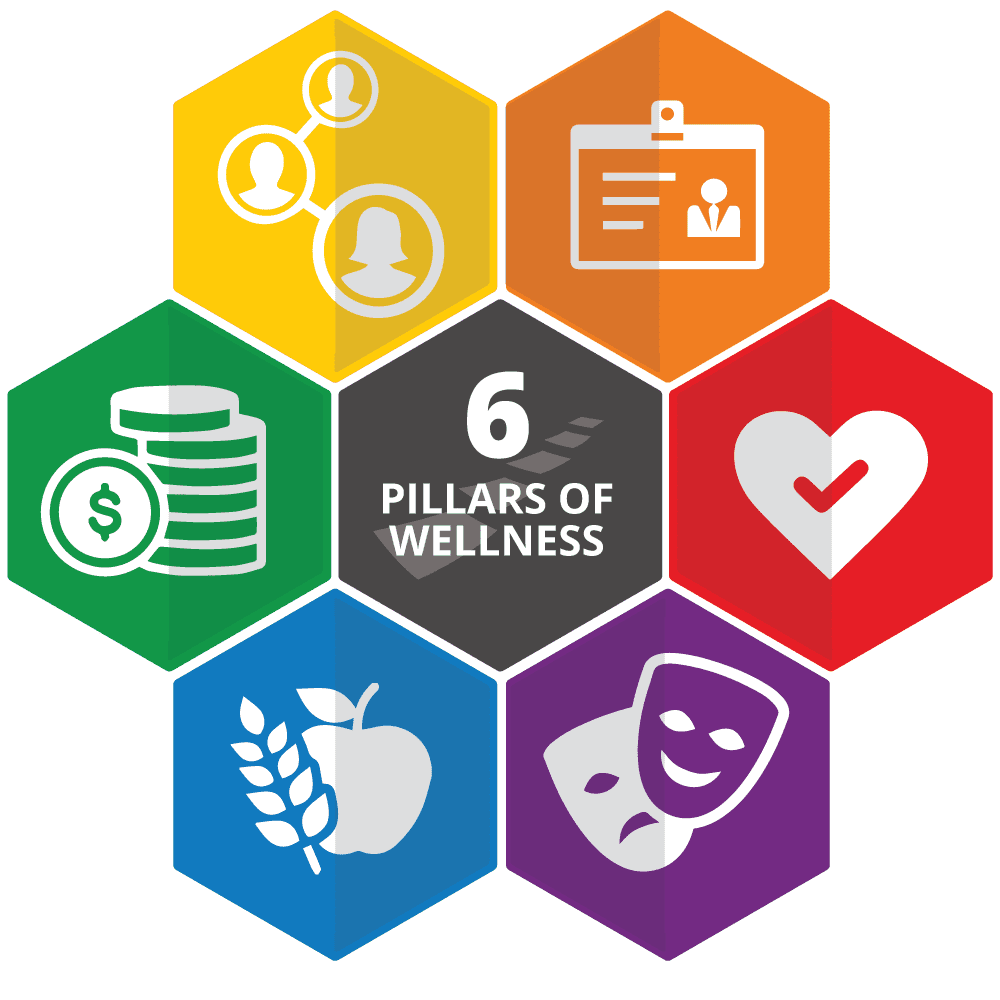
The desire to live a long, healthy, and fulfilling life has been a universal dream for centuries. While genetics play a role, modern research shows that our daily choices and habits are powerful factors in how well—and how long—we live. The key lies in nurturing the six essential pillars of longevity.
🥗 1. Nutrition: Eat Smart for Vitality
Food is the foundation of health. A diet rich in fruits, vegetables, whole grains, legumes, nuts, and lean proteins fuels the body with essential nutrients.
-
Limit processed foods and added sugars.
-
Focus on portion control.
-
Try longevity-friendly diets like the Mediterranean diet, known for supporting heart and brain health.
🏃 2. Physical Activity: Keep Moving
Regular exercise is a natural medicine for the body and mind. Movement improves circulation, strengthens muscles, boosts mood, and reduces chronic disease risks.
-
Aim for at least 30 minutes of moderate activity daily.
-
Mix cardio, strength training, and flexibility exercises.
-
Simple habits like walking, cycling, or gardening count too.
😴 3. Restful Sleep: Recharge Your Body
Sleep is when your body repairs, restores, and prepares for a new day. Poor sleep is linked to faster aging and health problems.
-
Adults need 7–8 hours of quality sleep each night.
-
Create a relaxing bedtime routine.
-
Limit screens before bed and maintain a consistent sleep schedule.
🦠 4. Gut Health: The Second Brain
Your gut plays a vital role in immunity, mood, and longevity. A balanced gut microbiome supports overall wellness.
-
Eat fiber-rich foods, probiotics, and fermented foods.
-
Stay hydrated.
-
Avoid overuse of antibiotics unless necessary.
💖 5. Emotional & Mental Well-Being
A long life isn’t just about the body—it’s about the mind and heart too.
-
Practice stress management through meditation, mindfulness, or prayer.
-
Cultivate strong relationships; social connections improve lifespan.
-
Keep learning, reading, and staying curious to keep your brain active.
🧘 6. Purpose & Lifestyle Balance
Studies of the world’s “Blue Zones”—regions where people live the longest—show that having purpose is essential.
-
Set goals and find meaning in daily life.
-
Balance work, leisure, and self-care.
-
Practice gratitude and maintain a positive outlook.
✅ Conclusion
Longevity is not about avoiding aging—it’s about aging gracefully and healthily. By focusing on these six pillars—nutrition, activity, sleep, gut health, emotional well-being, and purpose—we can enjoy longer, healthier, and more fulfilling lives.
👉 For more lifestyle and wellness insights, visit my blog: https://craarts.blogspot.com
Comments
Post a Comment