THE CRA PERSPECTIVE • EARTH SCIENCE How Much Water Is There on Earth? Can our planet ever run out of water? Exploring Earth's enormous water reserves, the freshwater shortage and the future of humanity. Water is one of the most extraordinary and essential resources on our planet. Our planet is called the Blue Planet for a reason. Approximately 71% of Earth's surface is covered by water. But does that mean we have an unlimited supply of water for human survival? Look at the oceans, rivers, lakes, glaciers and countless streams across the world. Water seems almost endless. It falls as rain, flows through rivers, disappears into the ground, freezes into ice and rises into the atmosphere as water vapour. Yet billions of people experience water shortages. Some communities struggle to obtain safe drinking water, groundwater reserves are declining in several regions, and pollution is making important water sour...
THE CRA PERSPECTIVE • GEOGRAPHY & NATURE
The Largest Lakes in the World
Exploring Earth's magnificent inland water giants, their extraordinary geography, biodiversity and importance to life.
Some lakes are so vast that standing on their shores feels like standing beside an ocean. Yet these enormous bodies of water are inland, surrounded by land and shaped by the forces of nature over thousands or even millions of years.
From the immense Caspian Sea between Europe and Asia to the icy wilderness of Canada's Great Bear Lake, the world's largest lakes are among the most remarkable features of our planet.
They influence regional climates, support fisheries, provide freshwater, sustain wildlife, enable transportation and create livelihoods for millions of people. Some contain extraordinary depths, while others are famous for their unique ecosystems or geological history.
In this exploration, we travel across continents to discover ten of the world's largest lakes, ranked primarily by their approximate surface area.
A fascinating distinction
The largest lake by surface area is the Caspian Sea. The deepest lake is Lake Baikal. The largest freshwater lake by surface area is Lake Superior. These are three different records.

How Are the Largest Lakes Ranked?
For this article, lakes are ranked by surface area, measured in square kilometres (km²). Surface area describes how much of Earth's land surface is covered by the lake.
Lake measurements are not always fixed. Water levels change with rainfall, river inflows, evaporation, climate conditions and human activity. Different geographical databases may also report slightly different areas.
The figures below are therefore approximate reference values, not permanent measurements. The Caspian Sea is included because it is conventionally classified as the world's largest inland lake, even though its water is saline and its geological history is closely connected to ancient seas.
Top 10 Largest Lakes by Surface Area
| Rank | Lake | Approx. Area | Location |
|---|---|---|---|
| 1 | Caspian Sea | 371,000 km² | Europe–Asia |
| 2 | Lake Superior | 82,100 km² | USA–Canada |
| 3 | Lake Victoria | 68,100 km² | East Africa |
| 4 | Lake Huron | 59,600 km² | USA–Canada |
| 5 | Lake Michigan | 57,750 km² | USA |
| 6 | Lake Tanganyika | 32,900 km² | East-Central Africa |
| 7 | Lake Baikal | 31,700 km² | Russia |
| 8 | Great Bear Lake | 31,150 km² | Canada |
| 9 | Lake Malawi | 29,600 km² | East Africa |
| 10 | Great Slave Lake | 27,200 km² | Canada |
Note: Approximate reference areas. Different sources and measurement periods may produce different values. Lakes Huron and Michigan are closely connected and may be treated together in some hydrological comparisons.
1. Caspian Sea — The World's Largest Lake
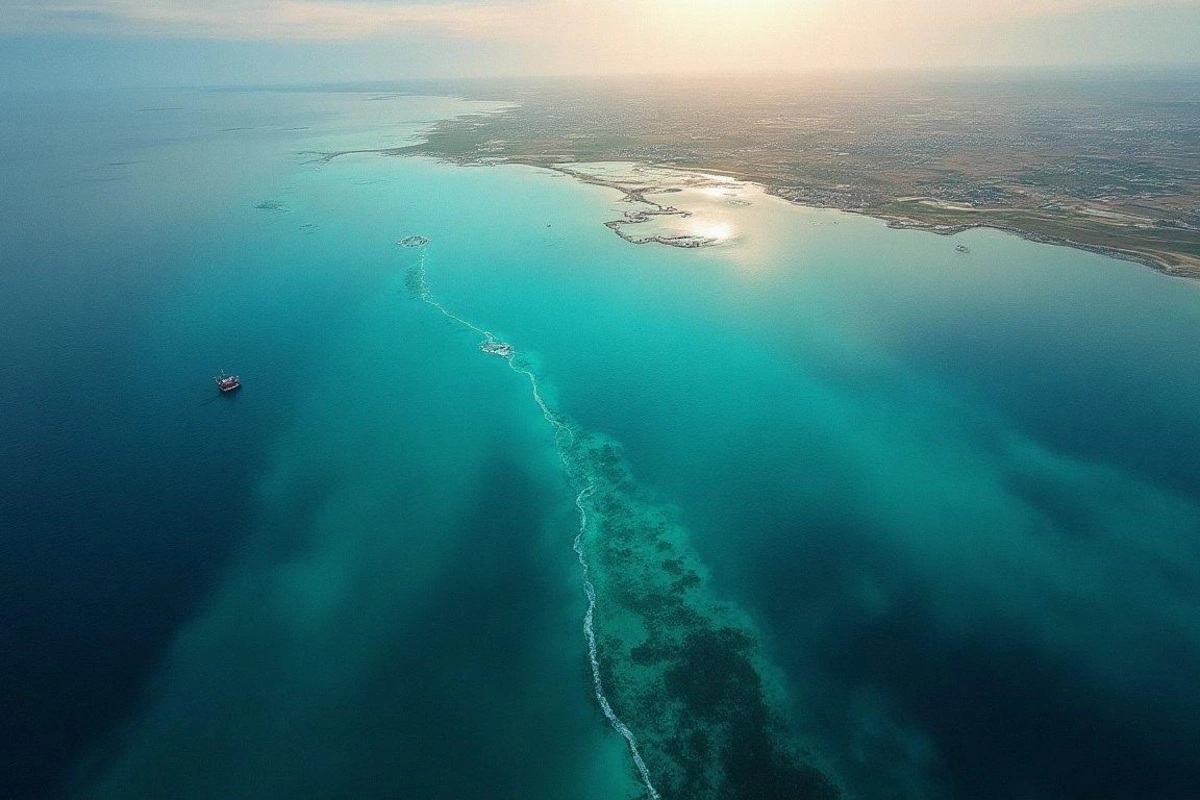
Approximate area: 371,000 km²
Countries: Russia, Kazakhstan, Turkmenistan, Iran and Azerbaijan
Water type: Saline
The Caspian Sea is the largest enclosed inland body of water on Earth. Despite its name, it is generally classified geographically as a lake because it has no natural connection to the world's oceans.
It stretches approximately 1,200 kilometres from north to south. Its immense basin lies between Europe and Asia, bordered by five countries.
The Caspian is not freshwater. Its water is saline, although its salinity is generally lower than that of the world's oceans. The northern section is relatively shallow, while the southern basin reaches depths exceeding 1,000 metres.
The region is important for fisheries, energy resources, shipping and biodiversity. It is home to the endangered Caspian seal and several species of sturgeon, famous for their role in caviar production.
Did you know? The Caspian Sea is so large that its surface area is more than four times that of Lake Superior.
2. Lake Superior — The Largest Freshwater Lake by Area
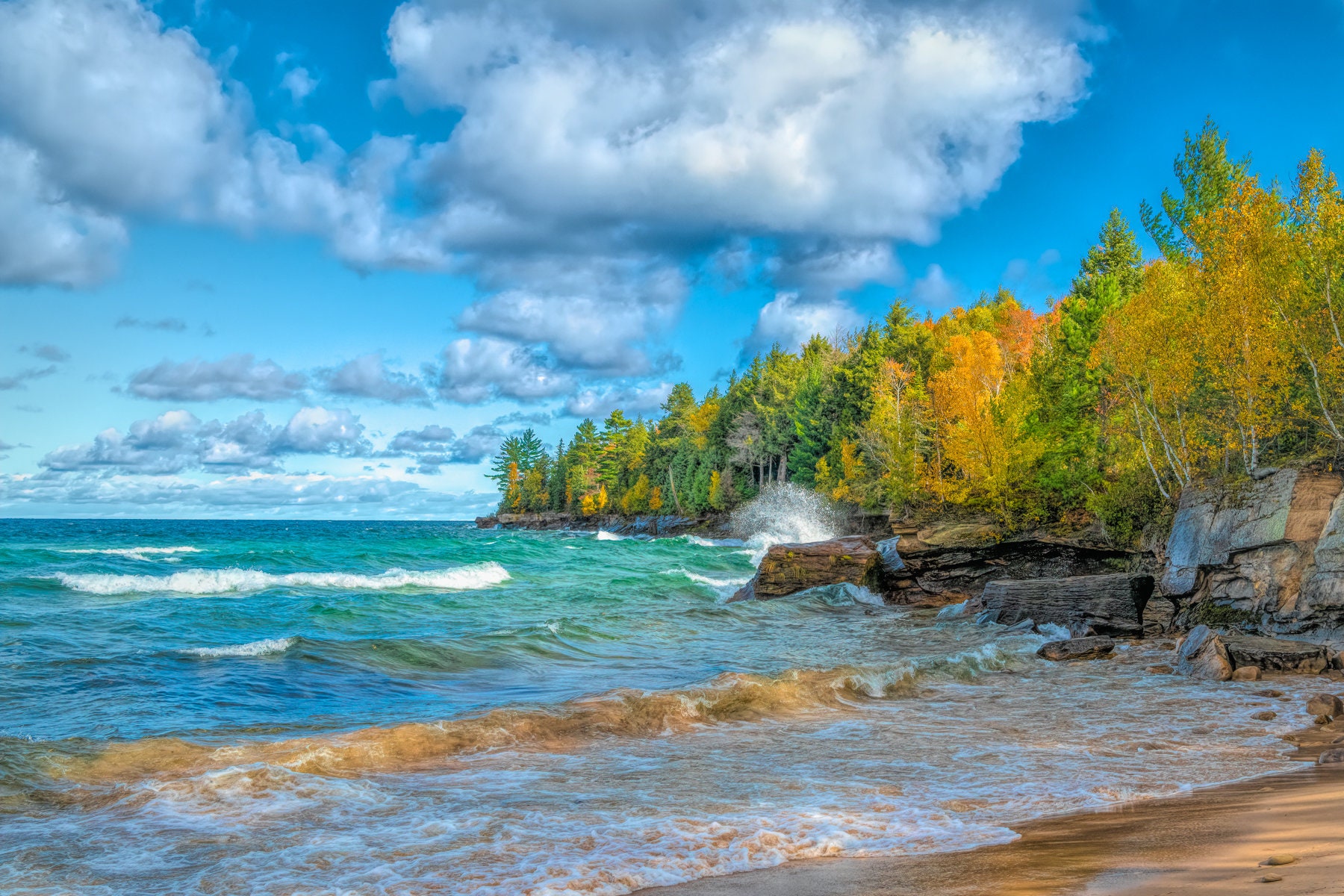
Approximate area: 82,100 km²
Countries: United States and Canada
Water type: Freshwater
Lake Superior is the largest freshwater lake in the world by surface area. It forms part of North America's Great Lakes system and is shared by the United States and Canada.
Its name reflects its enormous size and its position at the upper end of the Great Lakes chain. Its deep, cold waters hold an extraordinary quantity of freshwater.
The lake supports commercial shipping, fishing, recreation and communities along its shoreline. Its surrounding forests, rocky cliffs and sandy beaches create some of North America's most impressive freshwater landscapes.
Lake Superior can also be dangerous. Sudden storms, powerful waves and cold water conditions have challenged ships and sailors for centuries.
Did you know? Lake Superior contains more water than the other four North American Great Lakes—Michigan, Huron, Erie and Ontario—combined.
3. Lake Victoria — Africa's Largest Lake

Approximate area: 68,100 km²
Countries: Tanzania, Uganda and Kenya
Water type: Freshwater
Lake Victoria is Africa's largest lake by surface area and the world's largest tropical lake. It is an important geographical and economic feature of East Africa.
The lake is relatively shallow compared with the immense depths of Lake Tanganyika and Lake Baikal. Its waters support large fishing communities, transport routes, agriculture and regional livelihoods.
Lake Victoria is also closely associated with the Nile River system. The White Nile flows out of the lake near Jinja in Uganda, making it an important part of the Nile basin.
Its ecosystem supports many fish species, including the famous Nile perch. However, invasive species, pollution, overfishing and changes in water quality have placed pressure on its biodiversity.
Did you know? Lake Victoria is one of the most important freshwater resources for the people of Uganda, Kenya and Tanzania.
4. Lake Huron — The Great Lakes Giant
Approximate area: 59,600 km²
Countries: United States and Canada
Water type: Freshwater
Lake Huron is one of the five Great Lakes of North America. Its shoreline features islands, bays, beaches and impressive coastal landscapes.
Geographically, it is closely connected to Lake Michigan through the Straits of Mackinac. The two lakes share almost the same water level and are sometimes treated as a single hydrological system.
Lake Huron is particularly notable for its extensive shoreline and large number of islands, including Manitoulin Island, one of the world's largest freshwater islands.
Fishing, boating, tourism and shipping are important activities around the lake.
5. Lake Michigan — The Great Lake Entirely Within One Country
Approximate area: 57,750 km²
Country: United States
Water type: Freshwater
Lake Michigan is the only one of the five Great Lakes located entirely within the United States. Its shoreline touches the states of Wisconsin, Illinois, Indiana and Michigan.
It is an important economic and recreational resource. The lake supports shipping, fishing, tourism and major urban centres, including Chicago along its southwestern shore.
Its beaches, dunes, coastal forests and freshwater ecosystems make it a significant natural feature of the American Midwest.
Lake Michigan and Lake Huron are connected by the Straits of Mackinac. Together, they form an enormous interconnected freshwater system.
6. Lake Tanganyika — One of the World's Deepest Lakes
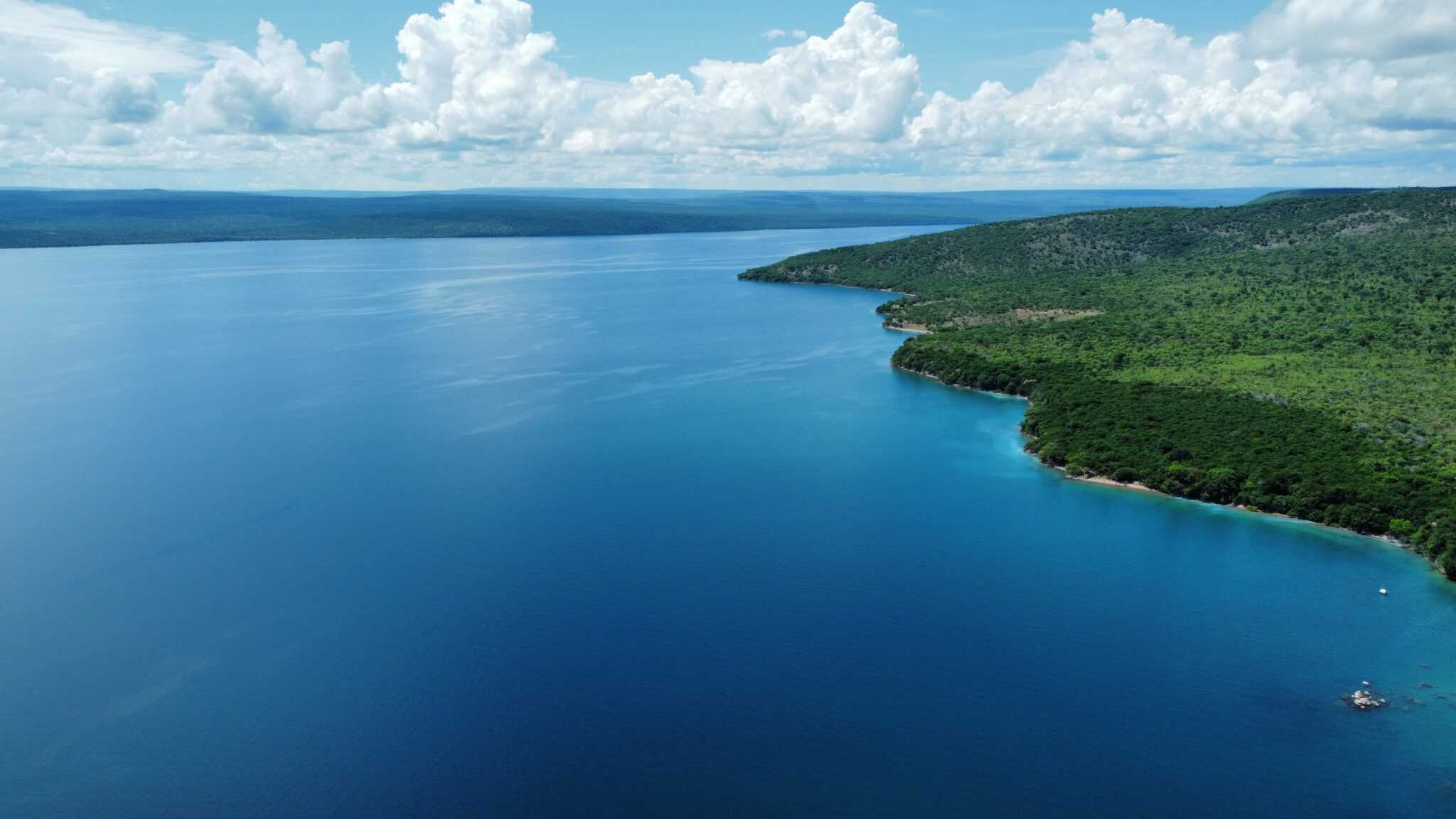
Approximate area: 32,900 km²
Countries: Tanzania, Democratic Republic of the Congo, Burundi and Zambia
Water type: Freshwater
Lake Tanganyika is an extraordinary freshwater lake in the Great Rift Valley of East-Central Africa. It is one of the oldest and deepest lakes on Earth.
Its maximum depth exceeds 1,400 metres, placing it among the world's deepest lakes. Its enormous volume of water is remarkable considering that its surface area is much smaller than that of Lake Superior.
The lake is internationally recognised for its biodiversity, particularly its remarkable diversity of cichlid fishes. Many species are found nowhere else on Earth.
Its waters are shared by four countries and support fishing communities, transportation and regional trade.
Did you know? Lake Tanganyika is one of the oldest lakes in the world and contains a remarkable collection of unique aquatic species.
7. Lake Baikal — The Deepest Lake on Earth

Approximate area: 31,700 km²
Country: Russia
Water type: Freshwater
Located in southern Siberia, Lake Baikal is one of Earth's most extraordinary natural wonders. It is the deepest lake in the world, reaching approximately 1,642 metres at its deepest point.
It is also exceptionally old, with its geological history extending back tens of millions of years. Its great depth allows it to hold an immense volume of freshwater—more than any other lake.
Baikal is famous for its crystal-clear water, dramatic mountain scenery, frozen winter landscapes and unique wildlife. One of its best-known inhabitants is the Baikal seal, the only seal species found exclusively in freshwater.
The lake is a UNESCO World Heritage Site because of its exceptional natural value and biodiversity.
Did you know? Lake Baikal contains roughly one-fifth of the world's unfrozen surface freshwater, according to widely cited estimates.
8. Great Bear Lake — Canada's Arctic Wilderness

Approximate area: 31,150 km²
Country: Canada
Water type: Freshwater
Great Bear Lake is Canada's largest lake entirely within the country and one of the largest freshwater lakes in the world.
Located in the Northwest Territories, it is surrounded by remote wilderness, forests and rugged landscapes. Its waters freeze during the long northern winter, creating a striking seasonal environment.
The lake is important to Indigenous communities, particularly the Sahtu Dene people, whose history, culture and livelihoods are closely connected to the region.
Its remote location and relatively low population density make it one of North America's remarkable wilderness lakes.
9. Lake Malawi — A Treasure of African Biodiversity

Approximate area: 29,600 km²
Countries: Malawi, Mozambique and Tanzania
Water type: Freshwater
Lake Malawi, also known as Lake Nyasa, is another major lake in the African Great Rift Valley. Its long, narrow shape stretches across the borders of three countries.
It is famous for its extraordinary diversity of freshwater fish, especially cichlids. Hundreds of species live in the lake, many of which are found nowhere else.
Fishing is a major source of food and livelihood for communities around its shores. The lake also supports tourism, recreation and regional transport.
Lake Malawi National Park is a UNESCO World Heritage Site, recognised for its exceptional aquatic biodiversity.
10. Great Slave Lake — A Northern Freshwater Giant

Approximate area: 27,200 km²
Country: Canada
Water type: Freshwater
Great Slave Lake is located in Canada's Northwest Territories. It is one of the country's largest lakes and is known for its great depth, vast shoreline and cold northern environment.
The lake is an important feature of the region's geography and economy. It supports fisheries, transportation and communities such as Yellowknife along its northern shore.
Its waters freeze for much of the winter, and the seasonal ice has historically played an important role in local travel and transport.
Great Slave Lake demonstrates the extraordinary scale of Canada's northern freshwater resources.
Different Lakes, Different World Records
The world's largest lakes are not simply ranked by size. Some hold records for depth, volume, freshwater resources or ecological importance.
| World Record | Lake | Distinction |
|---|---|---|
| Largest by area | Caspian Sea | Largest inland lake |
| Largest freshwater area | Lake Superior | Largest freshwater lake by surface area |
| Deepest | Lake Baikal | About 1,642 metres |
| Largest freshwater volume | Lake Baikal | Largest single-lake freshwater reserve |
| Largest tropical lake | Lake Victoria | Africa's largest lake |
Why Are the World's Largest Lakes Important?
Large lakes are more than geographical features. They are complex natural systems that support life and influence the environment around them.
1. Freshwater resources
Freshwater lakes supply drinking water, support agriculture and provide water for industries and communities. Their importance becomes even greater in regions where rainfall is seasonal or unreliable.
2. Biodiversity and wildlife
Lakes create habitats for fish, amphibians, aquatic plants, birds and mammals. Some contain species that evolved in isolation and are found nowhere else on Earth.
3. Climate and weather
Large lakes influence local weather and temperature patterns. They can moderate nearby climates, contribute moisture to the atmosphere and affect snowfall and rainfall in surrounding regions.
4. Economic activity
Fishing, shipping, tourism, recreation and agriculture create livelihoods for millions of people who live near major lakes.
5. Cultural and historical value
Many lakes are deeply connected to Indigenous traditions, ancient settlements, trade routes, cultural identity and the history of surrounding communities.
Threats Facing the World's Great Lakes
Despite their enormous size, lakes are not immune to environmental damage. Many are experiencing increasing pressure from human activity and changing climatic conditions.
Major environmental challenges
- Climate change: Rising temperatures can increase evaporation, alter rainfall and affect water levels.
- Pollution: Agricultural runoff, industrial discharge, plastics and untreated sewage can damage water quality.
- Overfishing: Unsustainable fishing practices can reduce fish populations and disturb ecological balance.
- Invasive species: Non-native organisms can compete with native species and change aquatic ecosystems.
- Water extraction: Excessive withdrawal for agriculture and industry can affect lake levels and downstream communities.
- Habitat destruction: Wetland loss and shoreline development can reduce biodiversity.
The Aral Sea offers one of the clearest warnings about the consequences of unsustainable water management. Once one of the world's largest lakes, it has lost much of its area following major river diversions for irrigation.
The lesson is clear: protecting lakes requires scientific monitoring, responsible water use, pollution control, habitat conservation and cooperation among the countries that share them.
THE FINAL REFLECTION
The Blue Heart of Our Planet
From the immense Caspian Sea to the ancient depths of Lake Baikal, the world's great lakes reveal the remarkable diversity of Earth's natural systems.
They are reservoirs of water, homes for unique wildlife, sources of livelihood and landscapes that have shaped human civilisation for generations.
Their size may inspire wonder, but their ecological importance demands responsibility. A lake can appear limitless when viewed from its shore, yet its ecosystem can be vulnerable to pollution, overuse and environmental change.
The greatest lakes are not merely vast bodies of water. They are living natural treasures that deserve our protection.
Sources and Further Reading
- NASA JPL — World Lakes database
- NASA Earth Observatory — Caspian Sea
- EUMETSAT — Satellite imagery of the Caspian Sea
- UNESCO — Lake Baikal World Heritage Site
- UNESCO — Lake Malawi National Park
- US Environmental Protection Agency — Great Lakes
Area figures are approximate and vary across geographical databases and measurement periods. Image sources should be checked for reuse permissions before publication.
Editorial note: This article is an educational geographical overview. Lake areas and water levels can change over time. Rankings are based on approximate surface area and conventional lake classifications.
THE CRA PERSPECTIVE
A space for art, ideas, and reflections that inspire awareness and meaningful change.
Explore more geography, science, nature and educational articles.
Comments
Post a Comment