🍐 A Study in Stillness: Pears in Light and Shadow Acrylic on Canvas | Original Artwork by CRA [Image 1 – Initial Sketch Stage] [Image 2 – Mid Painting Process] [Image 3 – Final Artwork] 🎨 The Concept This artwork explores the quiet elegance of everyday objects. A simple bowl of pears becomes a subject of depth, texture, and light. The composition reflects a timeless still-life tradition, where ordinary forms are transformed into visual poetry. 🖌️ Artistic Process The journey began with a loose sketch to establish composition and balance. With acrylics, layering was approached strategically — starting with thin underpainting and gradually building opacity and highlights. Fast-drying acrylic allowed controlled detailing, especially in defining form, edges, and reflections. Warm tones were established first, followed by vibrant greens and highlights to create depth and realism. 🌿 Visual Interpretation The pears symbolize abundance, ...
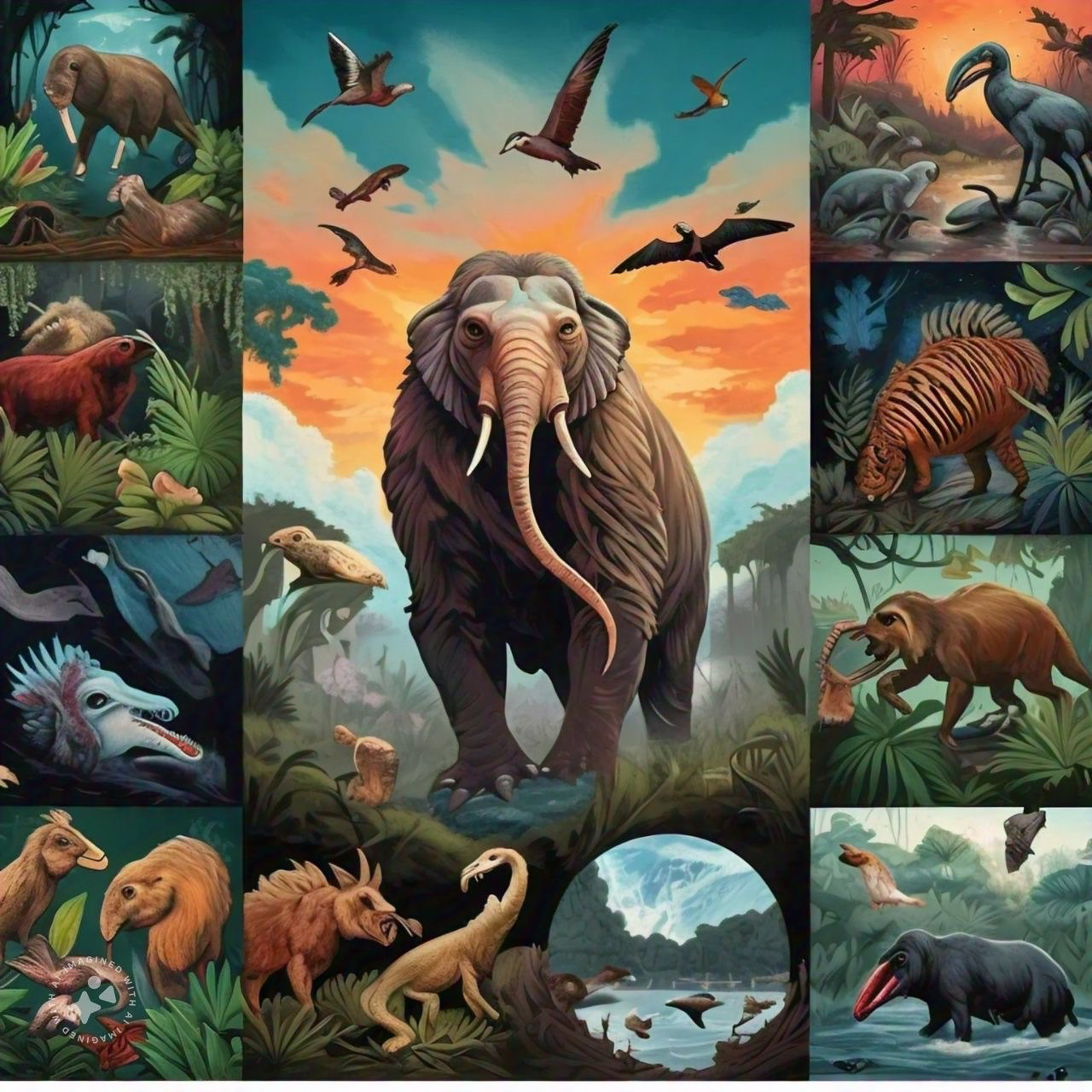 Extinction happens when a species dies out completely, with no individuals remaining on Earth. There are several reasons why extinction can occur, including:
1. Habitat loss:
Habitat loss occurs when natural ecosystems are destroyed or degraded, making it difficult for species to survive. This can happen for a variety of reasons, including:
i.Deforestation: Forests are cleared to make way for agriculture, logging, mining, and other human activities. This can have a significant impact on the many species that depend on forests for their survival.
ii.Urbanization: As human populations continue to grow, natural habitats are destroyed to make way for cities and towns. This can result in a loss of habitat for many species, making it difficult for them to survive.
iii.Agriculture: As agriculture expands, natural habitats are cleared to make way for crops and livestock. This can result in a loss of habitat for many species, as well as soil erosion and water pollution.
iv.Climate change: Changes in the Earth's climate can also lead to habitat loss. Rising temperatures and changing precipitation patterns can alter the distribution and composition of ecosystems, making it difficult for some species to survive.
Overall, habitat loss is a major threat to biodiversity, and can result in the extinction of many species. It is important for us to take steps to protect and conserve natural habitats in order to prevent further habitat loss and preserve the many species that depend on them for their survival.
2. Climate change:
Climate change refers to the long-term changes in the Earth's climate, including changes in temperature, precipitation, and weather patterns. These changes are primarily driven by human activities, such as burning fossil fuels and deforestation, which release large amounts of greenhouse gases into the atmosphere, trapping heat and causing the Earth's temperature to rise.
The impacts of climate change are far-reaching and can include more frequent and severe weather events, sea level rise, melting of glaciers and ice caps, and changes in the timing of seasonal events. These impacts can have significant social, economic, and environmental consequences, affecting everything from agriculture and water resources to human health and natural ecosystems.
Efforts to mitigate climate change include reducing greenhouse gas emissions through measures such as transitioning to renewable energy, improving energy efficiency, and preserving forests and other natural ecosystems. Adaptation measures are also necessary to help communities and ecosystems cope with the impacts of climate change that are already happening.
3. Overhunting or overfishing:
Overhunting and overfishing refer to the unsustainable harvesting of wild animals and fish, respectively, at a rate that exceeds their ability to reproduce and maintain healthy populations. This can lead to a decline in population numbers, and in some cases, the extinction of species.
Overhunting can occur when humans hunt animals for food, sport, or commercial purposes at a rate that is higher than what the population can sustain. This can lead to the depletion of species that are important for ecological balance and biodiversity.
Overfishing occurs when fish are caught at a rate faster than they can reproduce and replace themselves, leading to a decline in their populations. This can have negative impacts on the marine ecosystem as a whole, affecting not only the fish themselves but also the other species that depend on them for food and other resources.
Overhunting and overfishing are often driven by economic factors, such as demand for animal products and seafood, as well as cultural and recreational practices. To address these issues, sustainable fishing and hunting practices need to be implemented, including the establishment of regulations and quotas that ensure populations of species are maintained at healthy levels. Efforts to conserve and protect habitats and ecosystems are also important in ensuring the long-term survival of many species.
When humans hunt or fish a species at a rate that exceeds its ability to reproduce, the population can decline to the point where it becomes extinct.
4. Introduction of invasive species:
An invasive species is a non-native species that is introduced into a new ecosystem, where it can cause harm to the environment, economy, or human health. Invasive species can outcompete native species for resources, prey on them, or spread diseases that can wipe them out.
There are many ways in which invasive species can be introduced into a new ecosystem, including intentional introductions for agricultural or recreational purposes, accidental introductions through trade or transport, and natural range expansions due to climate change.
The impacts of invasive species can be devastating, affecting not only native species but also human health and the economy. Invasive species can reduce biodiversity, alter ecosystems, and cause significant economic losses in industries such as agriculture and forestry.
To address the threat of invasive species, prevention measures are key, such as regulating the import and trade of potentially invasive species, and monitoring ecosystems for signs of invasion. Control measures, such as the removal or eradication of invasive species, are also important in preventing further spread and minimizing the impacts of invasive species on native ecosystems.
5. Natural disasters:
Natural disasters are catastrophic events that occur naturally, such as hurricanes, earthquakes, volcanic eruptions, tsunamis, floods, wildfires, and landslides. They can have devastating effects on human life, property, and the environment.
The causes of natural disasters vary depending on the type of event. For example, hurricanes and typhoons are caused by the interaction of warm ocean waters with atmospheric pressure systems, while earthquakes are caused by tectonic plate movements.
The impacts of natural disasters can be far-reaching, affecting not only the immediate area of the disaster but also surrounding regions and even global systems such as climate and ecosystems. Natural disasters can cause loss of life, displacement of communities, and damage to infrastructure, homes, and businesses. They can also have long-term effects on the environment, such as soil erosion, deforestation, and water pollution.
Preparation and mitigation measures are important in reducing the impacts of natural disasters. These measures can include early warning systems, evacuation plans, and infrastructure design that accounts for potential hazards. Recovery and reconstruction efforts are also crucial in the aftermath of a natural disaster, including rebuilding damaged infrastructure and homes, providing humanitarian aid to affected communities, and implementing measures to prevent future disasters.
Overall, extinction is a natural part of the evolutionary process, but human activities have accelerated the rate of extinction to an alarming degree. It is important for us to take steps to protect and conserve endangered species and their habitats in order to prevent further extinctions.
Comments
Post a Comment