🍐 A Study in Stillness: Pears in Light and Shadow Acrylic on Canvas | Original Artwork by CRA [Image 1 – Initial Sketch Stage] [Image 2 – Mid Painting Process] [Image 3 – Final Artwork] 🎨 The Concept This artwork explores the quiet elegance of everyday objects. A simple bowl of pears becomes a subject of depth, texture, and light. The composition reflects a timeless still-life tradition, where ordinary forms are transformed into visual poetry. 🖌️ Artistic Process The journey began with a loose sketch to establish composition and balance. With acrylics, layering was approached strategically — starting with thin underpainting and gradually building opacity and highlights. Fast-drying acrylic allowed controlled detailing, especially in defining form, edges, and reflections. Warm tones were established first, followed by vibrant greens and highlights to create depth and realism. 🌿 Visual Interpretation The pears symbolize abundance, ...
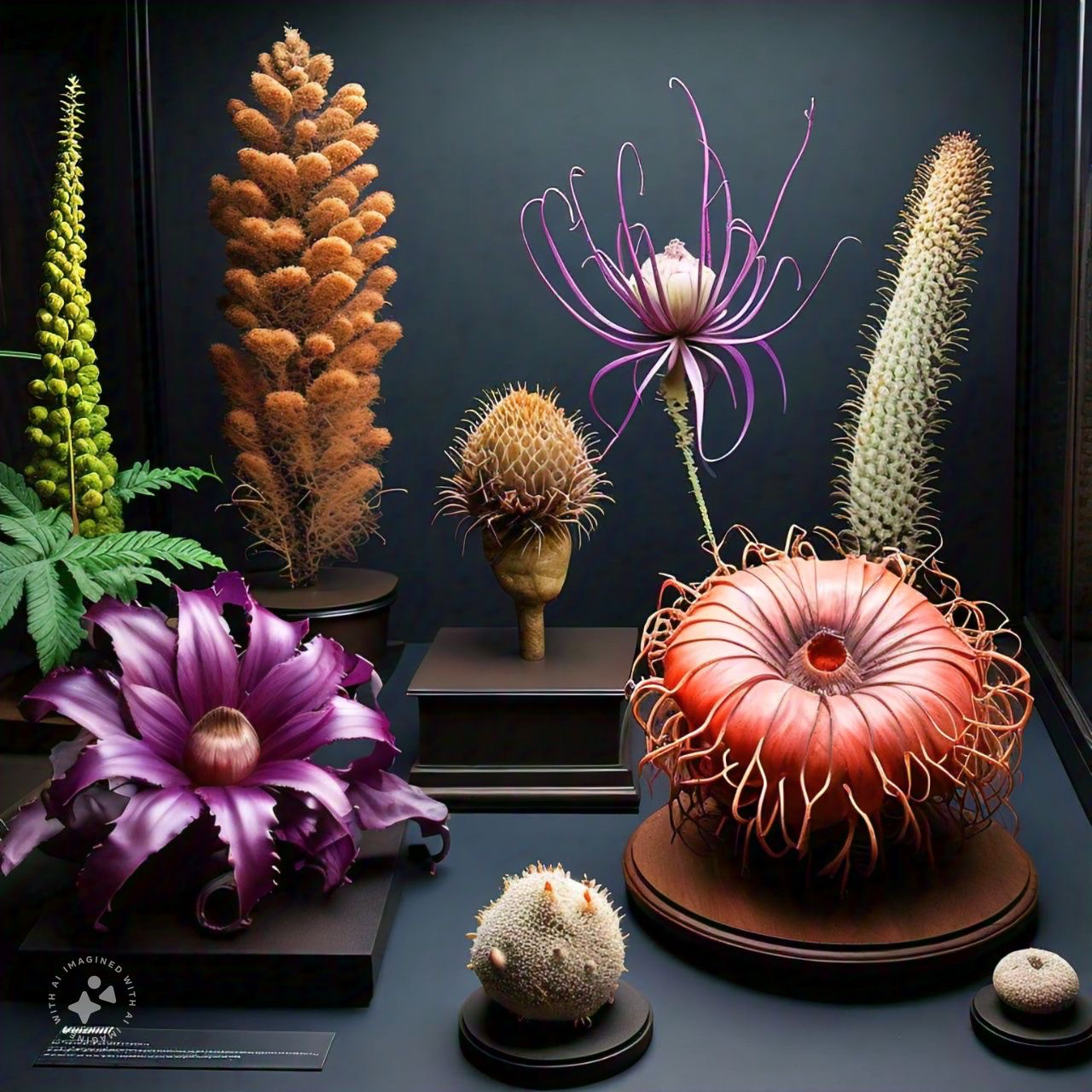 Extinct plants refer to plant species that no longer exist in the wild or anywhere on the planet. These plants have permanently disappeared from the Earth due to various reasons, such as habitat destruction, over harvesting, invasive species, climate change, or a combination of factors. The extinction of plant species is a significant concern as it impacts biodiversity, ecosystem functioning, and the overall health of the planet.
Extinct plants can include trees, shrubs, flowers, and other types of vegetation. Some extinct plants have cultural or historical significance, while others may have held ecological importance in specific ecosystems. When a plant species becomes extinct, it means that its genetic diversity and unique characteristics are lost forever.
Efforts are made to document and preserve extinct plant species through herbarium collections, seed banks, and other conservation methods. Additionally, conservationists focus on protecting endangered plant species to prevent them from becoming extinct in the future.
The extinction of plants can have cascading effects on other organisms that depend on them for food, shelter, or other ecological interactions. Therefore, understanding and addressing the causes of plant extinction are crucial for maintaining healthy ecosystems and preserving biodiversity for future generations. Here are the ten plants which extinct from earth.
- Franklinia alatamaha: Also known as the Franklin tree, this plant was discovered by botanists John Bartram and his son William in the 18th century in Georgia, USA. It was named after Benjamin Franklin, but is now extinct in the wild due to habitat loss.
- Silphium perfoliatum: Also known as cup plant or Indian cup, this species was once common in the Midwest of the United States. It was used by Native Americans for medicinal purposes, but is now extinct due to habitat loss and overharvesting.
- Stenocarpus sinuatus: Also known as the firewheel tree, this species was native to Queensland, Australia. It was used for timber and ornamental purposes, but is now extinct in the wild due to logging and habitat destruction.
- Erythrina woodii: Also known as the Erythrina tree, this plant was native to KwaZulu- Natal in South Africa. It had bright red flowers and was named after John Medley Wood, who discovered it. It is now extinct in the wild due to habitat loss.
- Toromiro: This species of tree was once found on Easter Island, but is now extinct in the wild. It was used by the Rapa Nui people for building canoes and houses, but was overexploited and destroyed.
- Pterocarpus erinaceus: Also known as the sahel rosewood, this tree was once found in the Sahel region of Africa. It was used for timber and medicine, but is now extinct due to overharvesting and habitat loss.
- Acmopyle sahniana: This species of tree was native to New Caledonia. It had a distinctive shape with a narrow trunk and broad canopy, but is now extinct due to habitat destruction and introduced pests.
- Cylindrocline lorencei: This plant was native to the island of Maui in Hawaii. It had small, yellow flowers and was named after botanist Warren L. Wagner's colleague, David H. Lorence. It is now extinct due to habitat loss and invasive species.
- Hibiscadelphus woodii: This plant was native to Hawaii and had large, white flowers. It was named after John Medley Wood, who discovered it, but is now extinct due to habitat destruction and introduced pests.
- Pseudotsuga lindleyana: Also known as the Mexican Douglas-fir, this tree was native to Mexico. It was used for timber and paper production, but is now extinct due to overharvesting and habitat loss.
It's important to note that the extinction of plant species is a loss to biodiversity and can disrupt ecosystems and ecological balance. Conservation efforts and protection of endangered plant species are essential to prevent further extinctions.
Comments
Post a Comment